













Lower School
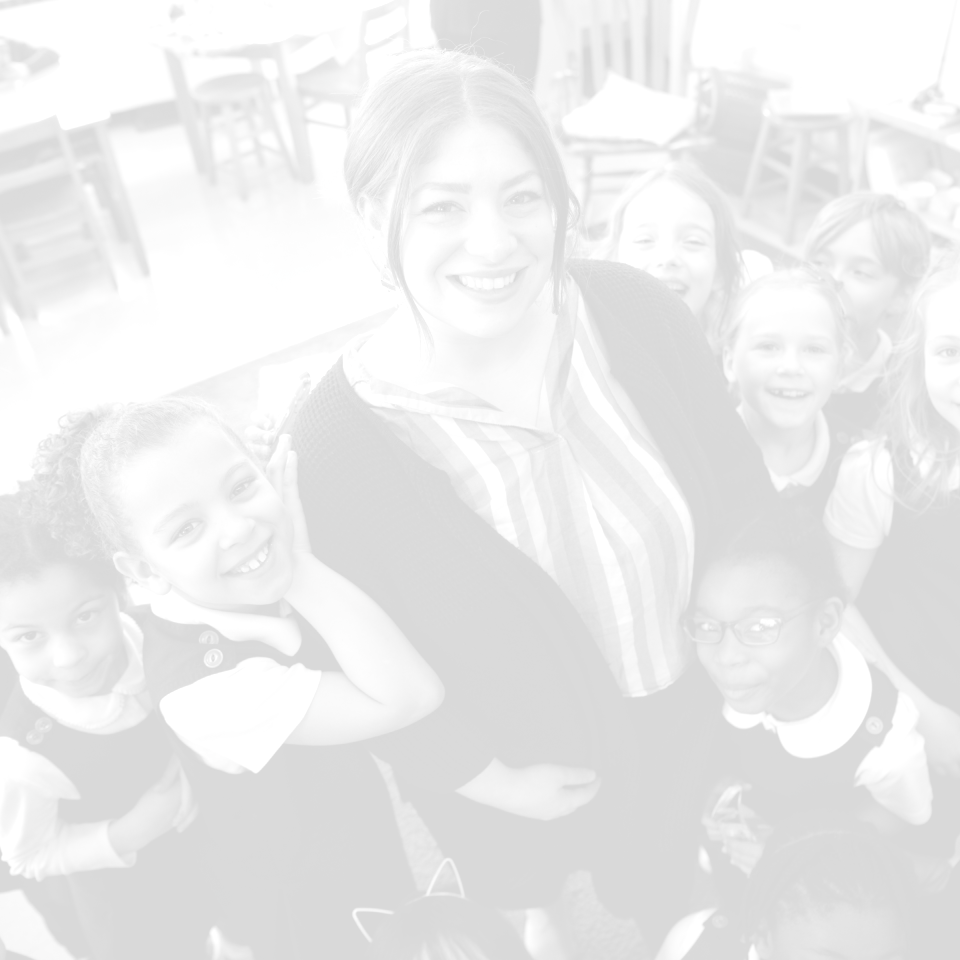
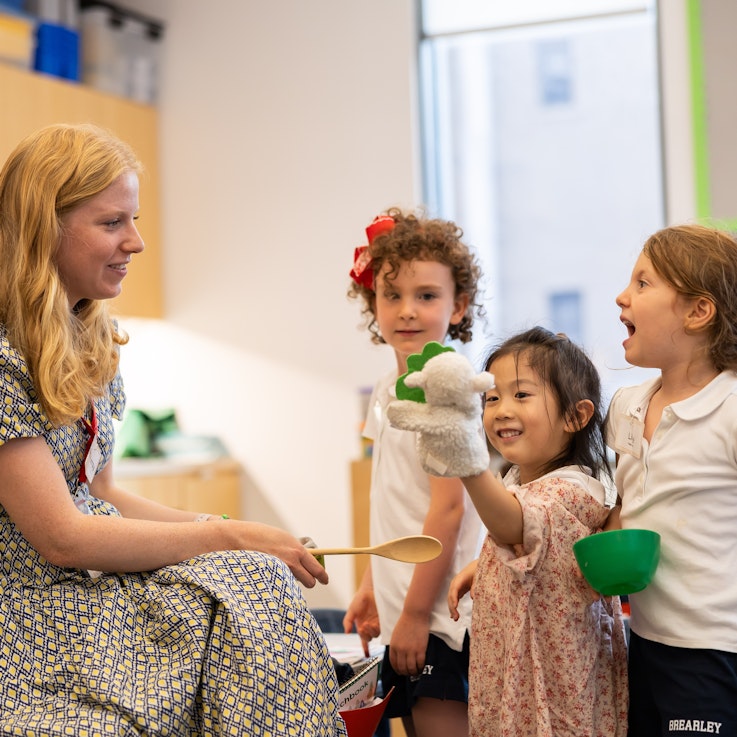
Brearley girls have an intrinsic desire to learn, and our mission in the Lower School is to fuel that enthusiasm. With energy, moxie, and wonder, our girls skip into school each morning, eager to greet their classmates and to embrace the joys and challenges of the day ahead as they build and strengthen their humanity and intellect.
In a warm and supportive environment, our girls learn to take risks, learn from mistakes, stretch their imaginations, and expand their boundaries. Our experienced faculty ensures that each girl is known, heard, and valued. The adults encourage the natural inquisitiveness of their students, cultivating the start of a lifelong joy of discovery, exploration, and learning.
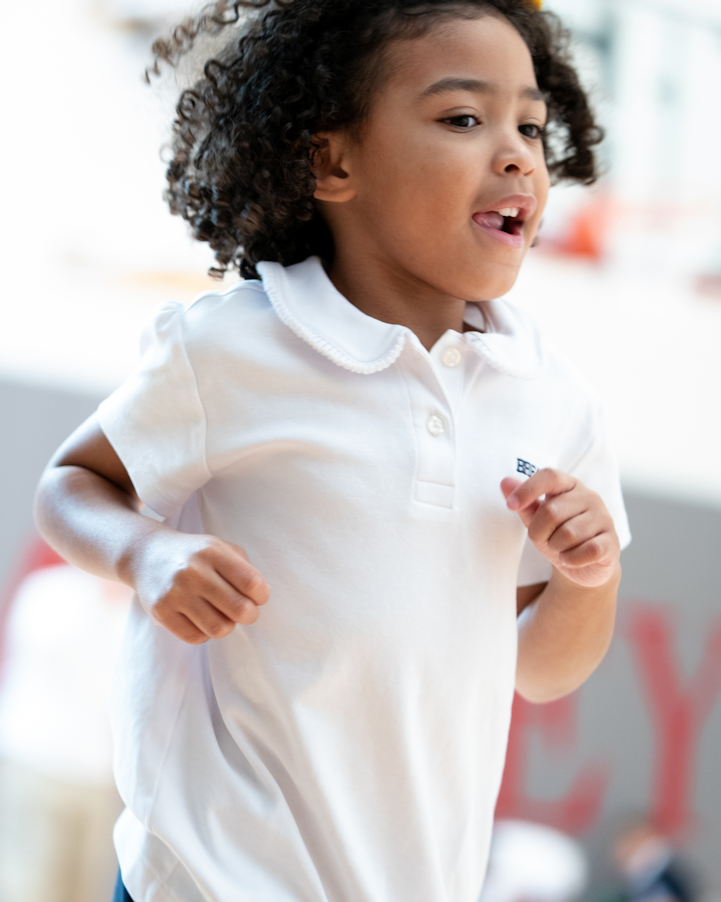
With energy, moxie, and wonder, our girls skip into school each morning, eager to greet their classmates...




Small School,
Big Program
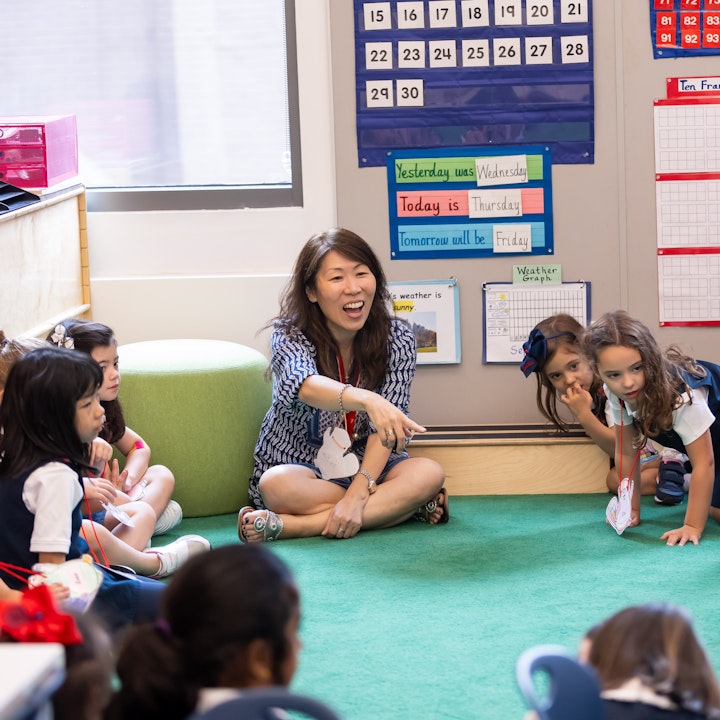
Just because our students are small doesn’t mean they don’t possess mighty intellects. In these formative early years, we challenge students to stretch their minds, develop a love of language, and take on new obstacles with gusto. A kindergarten visit to a city green market inspires multimodal work on sustainability and healthy eating, while all students in Class III receive their own instruments for the first time as part of our robust music program. Class IV students perform plays in Mandarin as part of our annual Lunar New Year celebration, and in their Drawing with Geometry class, they delve into the intersection of art, history, technology, and science through interactive projects in our Idea Kitchen.

A School Within
a School
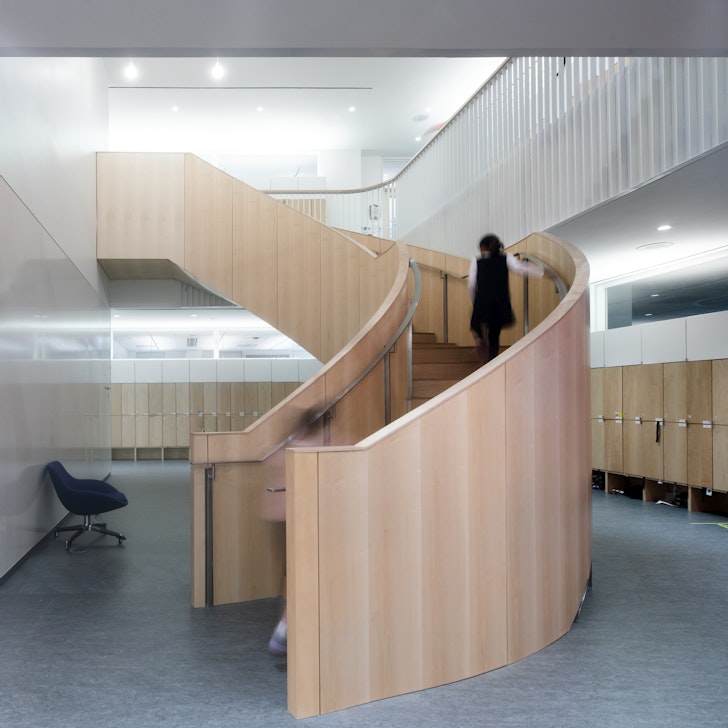
Located on three contiguous floors of our newest building, the Lower School is both a physical and emotional haven for our youngest students. The spiral staircase connects our classrooms and creates a warm, inviting space for our students to experience their community coming to life. While kindergarteners spend most of the day in their homerooms, venturing out primarily for gym and the library, older students traverse the building as their independence and responsibility grow. The Lower School also meets once a cycle in the Performance Hall for assemblies and performances, such as homeroom plays, concerts, and holiday celebrations.

Building Character, Building Community
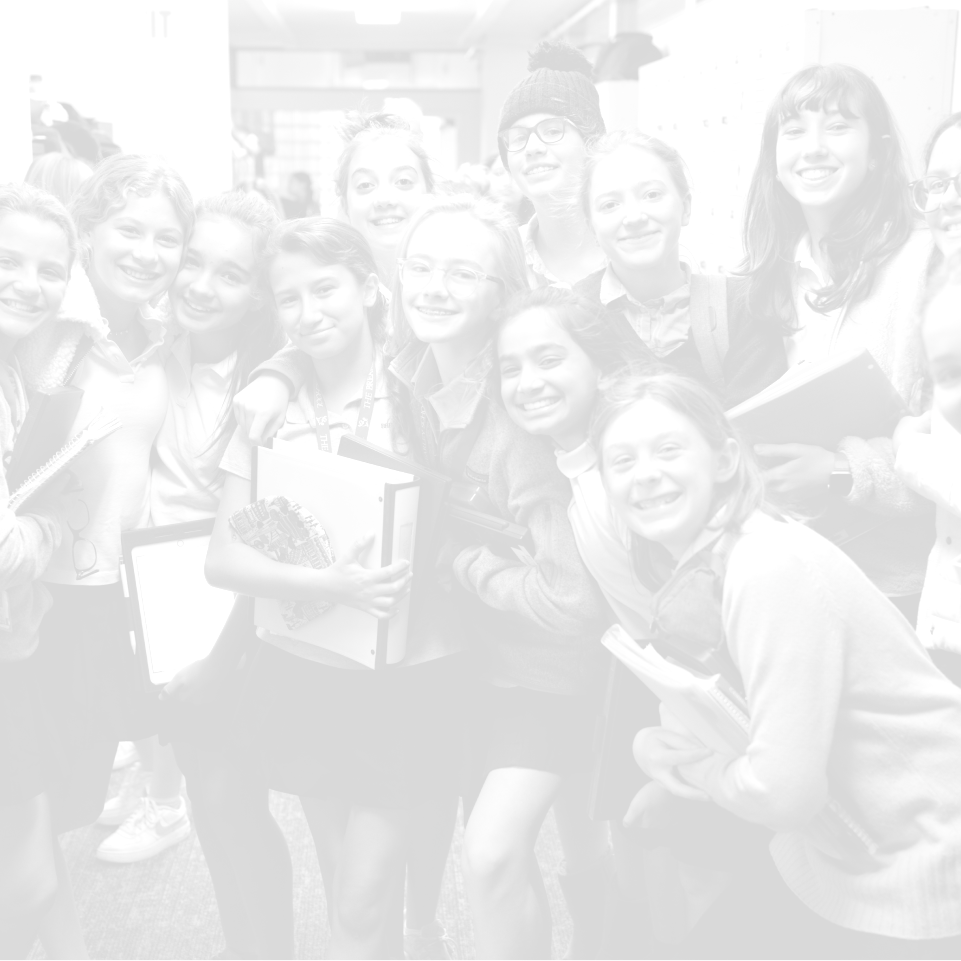
With the guidance of our faculty, our students begin their journey to becoming strong, kind, confident women who respect one another and are committed to improving the world around them. Our community is diverse and inclusive, where all our students, including the youngest, are taught to regulate emotions, promote empathy, and make others feel valued. This social and emotional learning is a critical component of our Lower School curriculum.

Kindergarten Curriculum
Literacy
Teachers nurture early comprehension skills, critical thinking, and a love of literature through lively read-alouds in various genres. Students begin the practice of classwide book discussions. Students also practice phonemic awareness, phonics, and sight word reading. Additionally, students express themselves through creative writing while learning upper- and lower-case D’Nealian handwriting.
Social Studies
Kindergarteners study community through read-alouds, art, discussion, writing, special family visits, and field trips. They explore their identities and recognize similarities and differences between each other and people in the wider world.
Work and Play
Students are given time to play, learn, explore, and experience through art, block building, dramatic play, word games, puzzles, crafts, and self-initiated projects; and time to practice sharing, conflict resolution, turn-taking, and collaborative play in pairs or groups.
Art
This trimester-long class offers an introduction to Brearley art education, welcoming young artists into a vibrant world of visual expression. Through hands-on material exploration of painting, drawing, and a variety of artistic tools, students begin to develop the observational skills and creative confidence that form the foundation of a Brearley artist. Guided projects and open-ended exploration work in tandem to encourage curiosity and self-expression.
Music
Kindergarten students learn to distinguish differences in time (beat and rhythm), pitch (high and low sounds), dynamics (loud and soft), and tempo (fast and slow) through song, dance, musical games, and the use of percussion instruments. Kindergarten students perform in three major Lower School assemblies.
FunFit
Kindergarten FunFit introduces basic fitness concepts and gymnastic skills through obstacle courses, station work, and rock-wall climbing. Students learn basic drills to work towards handstands, cartwheels, springboard jumps, basic balance beam, and bar concepts. They practice body control, balance, strength, and flexibility exercises. Throughout the year, students develop self-confidence, a better understanding of their bodies in space, and a sense of accomplishment.
Mathematics
Mathematical explorations in kindergarten develop the critical foundational concepts essential for lifelong mathematical thinking. Students investigate matching and sorting, graphing, numbers to 100, shapes, patterns, measurement, number bonds, addition, subtraction, and time.
Science
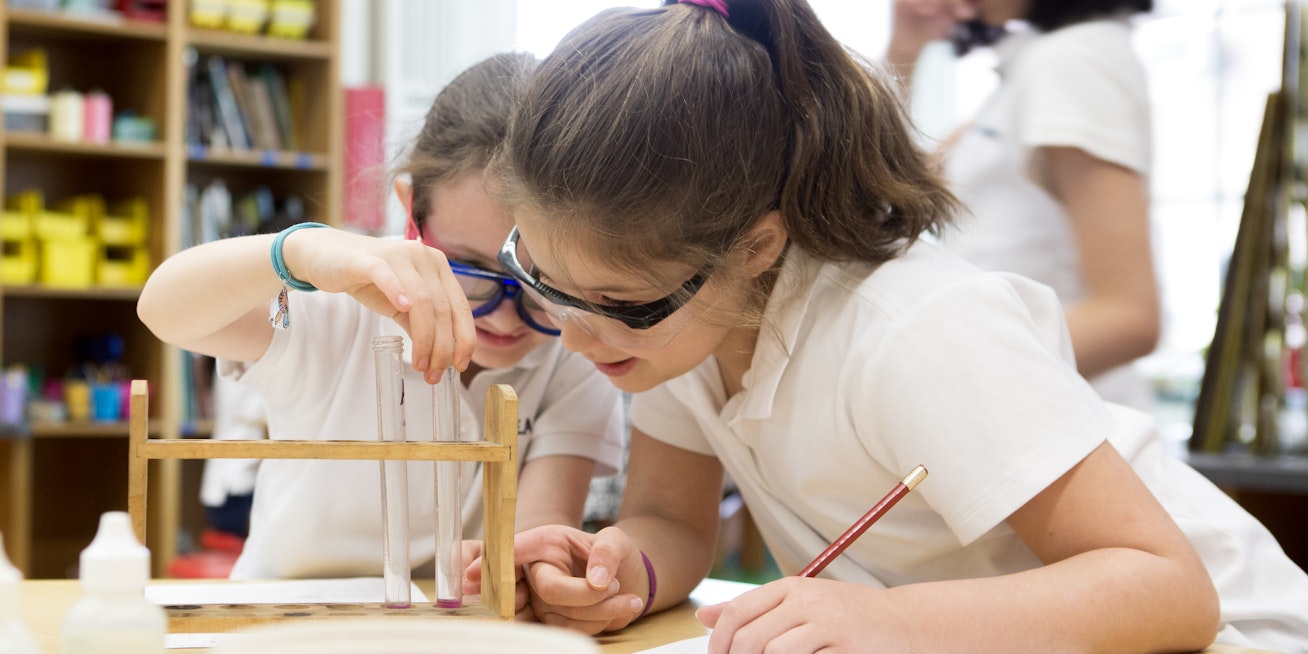
Kindergarten scientists explore the scientific method through biology, physics, and chemistry. Students study leaves and seeds, the behavior and anatomy of mealworms, and investigate buoyancy, density, and force of motion through hands-on experiments.
Health and Wellness
As part of our general health program, students develop self and social awareness; self-management; perspective-taking; responsible decision-making; how to make friends and resolve conflicts through discussions; engage in team-building activities; learn through art projects, stories, and dramatic role-playing; learn how to keep our bodies healthy and safe; and practice identifying safe adults in their lives.
Library
Students listen to stories; learn how to find books in the library; explore Caldecott-winning picture books; conduct an author study on Jan Thomas; and enjoy sharing books with others.
Dance
Kindergarteners explore the basic elements of dance, including space, time, and energy, and develop choreographic and improvisational skills to combine with dance-making strategies. Students build on these skills as they explore ballet, hip-hop, and jazz techniques.
Physical Education
Kindergarten students perform locomotor skills, explore a variety of equipment during individual skills practice, basic sport skills, and perform various fitness exercises to develop stamina in large group movement games.
Class I Curriculum
Literacy
Students absorb and internalize the essential elements of literacy through consistent practice of phonemic awareness and phonics skills, leading to word decoding, word study, spelling, and sentence structure. Students discuss fiction and nonfiction texts in read-alouds and small groups, practicing skills such as retelling stories, identifying the main idea and details, and finding evidence to support their comprehension. Additionally, Class I students apply elemental writing mechanics and spelling rules in their creative, narrative, persuasive, and research writing. Our learners cultivate and enhance their writing through the proper sequencing of events, pertinent details, and robust vocabulary.
Social Studies
After focusing on identity and community building in kindergarten, students participate in a year-long study of New York City’s five boroughs. Students study transportation, geography, and our city’s vibrant and diverse cultures.
Mandarin
In Class I, students focus on speaking and listening skills. Units of study include hobbies, seasons, food, emotions, and animals. Students are also introduced to basic Pinyin reading. Additionally, students gain exposure to Chinese culture by learning about different holidays and traditional foods. Students learn poems, songs, and games designed to playfully introduce oral communication in Mandarin.
Library
Students listen to stories; learn to find books in the library; explore world trickster tales and folktales; and work on collaborative research projects.
Music
Students read, sing, and play musical patterns derived from the pentatonic scale. They learn to listen through dictation, create through improvisation, and compose rhythms using simple rhythmic elements. Students sing at all gatherings and large assemblies.
FunFit
Class I FunFit focuses on form and technique related to fitness concepts and gymnastic skills. Students are introduced to handstands, cartwheels, and springboard jumps, as well as basic balance beam and bar concepts. They also explore rock-wall climbing, body control exercises, balance, strength, and flexibility. Throughout Class I, FunFit students develop self-confidence, a better understanding of their bodies in space, and a sense of accomplishment.
Mathematics
Class I students develop their understanding of numbers through 100 as they use number bonds to compose and decompose, compare, add, and subtract multi-digit numbers. Students study shape attributes, ordinal numbers, non-standard measurement, grouping and sharing, halves and fourths, time, and money.
Science
Students study the structure and function of teeth, bird identification, states of matter, the solar system, snails and squids, and soil chemistry. Class I scientists explore different types of gardens and conduct experiments on soil chemistry to distinguish between nutrient-rich and contaminated soil.
Health and Wellness
As part of our general health education program, students learn to identify feelings and coping skills, understand the perspectives of others, and practice problem-solving skills. Students also review sexual health themes from kindergarten related to identifying personal boundaries and asking for and receiving consent.
Art
Students are introduced to the tools, techniques, materials, and practices of the art studio; they learn concepts through a variety of imagination-based projects, based on line, initiating their studio experience through a sequential journey of a simple dot as it becomes a line, and travels through two-dimensional space. This dot is the beginning of our fundamental graphic language: It teaches how to transform a dot into different qualities of line, how a line creates infinite shapes, and how to sustain concentration and stamina. Studio citizenship is emphasized throughout the year.
Dance
Students dive into our ballet unit, in which they investigate the historical origins of ballet, develop basic technical knowledge, and use the steps and positions they have learned to create narrative dances. Students develop foundational knowledge of ballet, hip-hop, and jazz to explore a variety of movements and learn about the origins of each dance style, including the study of Isadora Duncan and a collaboration with science to create dances inspired by nature. Each unit culminates with short dances choreographed by the students using their newly learned steps.
Physical Education
Students engage with locomotor patterns, functional movement exercises, and individual sport skills.
Class II Curriculum
Literacy
Students develop reading fluency, reading comprehension, and inferential and analytical skills. Their comprehension of fiction and nonfiction texts becomes more sophisticated; they share supporting evidence in discussions and write with growing proficiency, and they hone skills such as summarizing, identifying character traits, and naming the main idea and details in a text. Students write creative, narrative, informative, and opinion texts. Instruction emphasizes the writing process, which includes brainstorming, planning, drafting, editing, and revision. Students study more advanced spelling patterns and writing mechanics, and learn joined italic cursive.
Social Studies
Students consider the impact of geography on one’s life, as well as the roles and civic responsibilities of members of the community. Students learn about the Lenape of Mannahatta and the Dutch colony of New Amsterdam. Through stories, primary source investigations, and discussions, students analyze the ever-evolving needs of individuals and groups in historical New York City.
Mandarin
Students focus on speaking and listening skills. Units of study include family, calendar, food, sports, animals, time, location, seasons, and daily routines. Students are expected to respond to questions in Mandarin as the year progresses and practice reading and writing Pinyin. Additionally, students explore Chinese culture through the study of various holidays and traditional foods.
Library
Through our class lessons, students grow to understand story elements, explore diverse characters and authors, and research animals and changemakers collaboratively.
Art
Students investigate the concept of overlapping and combining shapes to create compositions of complex forms in space. Color values and patterns are introduced to enhance the importance of individual form. Students learn about symmetry and repetition through exploration, paired with learning about the world of art. Studio citizenship is emphasized throughout the year.
Dance
Building on foundational skills, Class II students expand their knowledge by learning structured movement combinations in jazz, hip-hop, and social dance. Students are introduced to the cultural roots and history behind select dance styles, helping them understand how dance reflects different communities and time periods. They also explore basic choreography sequences, collaborating in groups to experiment with shapes, patterns, and storytelling through movement.
Physical Education
Class II students continue to develop a wide range of activities and motor skills. They engage in a rope-jumping unit, basketball dribbling and shooting, the use of scoops, and striking with a variety of implements.
Mathematics
Students apply their understanding of place value and addition and subtraction skills to numbers through 1,000. Students build their fact fluency and apply the part-whole concept of number bonds to the traditional algorithms, with and without regrouping. Students investigate standard units of length and weight. Class II students explore multiplication and division, model and compare fractions, and work with two- and three-dimensional shapes.
Science
Class II scientists explore botany, ecology, biology, geology, and chemistry. Students design their own plant experiments, study the behavior and anatomy of earthworms, investigate rocks and minerals, and conduct tests to determine the chemical and physical properties of six household powders.
Health and Wellness
Students engage in a wide array of topics that encompass both social-emotional well-being and aspects of sexual health. The lessons are intended to promote empathy, reduce stereotyped thinking, practice being assertive and kind, and learn about the relationship between thoughts, feelings, and behaviors. Students are also introduced to reproduction and ways to keep their bodies healthy and safe.
Technology
Students study digital citizenship, animation, coding, computational thinking, robotics, and pattern recognition. They are also introduced to design to enhance their understanding of coding concepts such as sequencing, basic true/false conditionals, loops, and debugging.
Music
Students sing, move, and play musical games derived from the methodologies of Carl Orff and Zoltán Kodály. They cultivate the joy of making music while developing essential skills such as maintaining a steady beat and singing with accurate pitch. They learn to read, sing, and play patterns using notes derived from the pentatonic scale and an evolving set of rhythms.
FunFit
Class II FunFit focuses on form and technique related to fitness concepts and gymnastic skills. Students are introduced to handstands, forward and backward rolls, cartwheels, springboard jumps, and basic balance beam and bar concepts. Students learn how to combine skills to create a mini routine. Rock-wall climbing, body control exercises, balance, strength, and flexibility are introduced and practiced. Students develop self-confidence, a better understanding of their bodies in space, and a sense of accomplishment.
Class III Curriculum
Literacy
Students develop inferential thinking through book discussion and writing about text. They practice analyzing character traits and motivations, summarizing and identifying themes, and making connections within and between texts, all with an emphasis on citing specific details to support their interpretations. Additionally, Class III writers craft longer and more advanced narrative, expository, argumentative, and persuasive paragraphs, sharpening their writing structure with strong topic sentences and supporting details. Lessons on advanced spelling patterns, grammar, and conventions are woven into the writing curriculum.
Social Studies
Class III students build upon their understanding of identity and community from kindergarten through Class II. They study United States geography, the fundamentals of the United States government, and the women’s suffrage movement in the United States.
Mandarin
Students continue to practice character recognition and write simple characters, learn sentence composition, and continue exploration of Chinese culture through the celebration of various holidays.
Library
Students explore the Dewey Decimal System, understand the role of periodicals as information sources, and hear from Upper School students and alumnae about the highlights and challenges of working on a newspaper. Students research a U.S. state in conjunction with the social studies curriculum.
Art
Students develop their understanding of drawing and constructing 3D forms by building on their knowledge of overlapping shapes. Lessons involving the preliminary study of materials, design, and construction allow students to learn to navigate volume, layering, painting complex form, and mixing color. Projects are inspired by nature and global artistic traditions. Studio citizenship is emphasized throughout the year.
Music
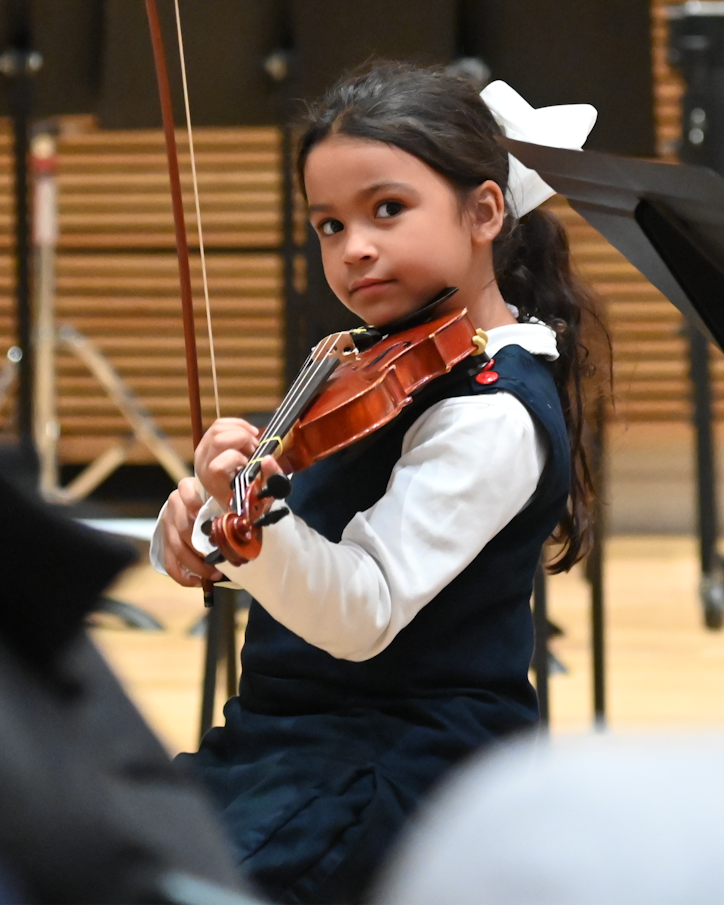
Students have two periods of music a week. One period is devoted to elementary theory, singing, and rhythmic percussion exercises. The second class is an instrumental period in which students learn violin, viola, cello, or recorder.
FunFit
Class III FunFit focuses on form and techniques related to fitness concepts and gymnastic skills. Body control exercises, balance challenges, rock-wall climbing, and strength and flexibility training are incorporated throughout the year.
Mathematics
Class III mathematicians increase their understanding of place value with numbers to 10,000; compute multi-digit addition, subtraction, and division problems; explore scaled picture and bar graphs; expand their knowledge of fraction concepts and equivalency; measure with standard units; analyze angles and shapes; calculate area and perimeter; determine elapsed time; and add and subtract money.
Science
Students design and construct bridges using newspaper and study sustainability, engineering, water chemistry, systems of the human body, as well as the behavior and anatomical structure of crayfish.
Health and Wellness
As part of our health education programming, students learn more advanced conflict resolution skills and emotional regulation strategies, including how to identify important qualities in friendships and how to be upstanders. They also practice mindfulness and cultivate a growth mindset. As part of our sexual health programming, students learn about the importance of positive body image, how to keep their bodies healthy and safe, and begin to explore the social-emotional and physical changes in puberty.
Technology
Students complete an engineering unit through the study of simple machines. They study robotics and explore block coding through various online and offline activities.
Woodworking
Students develop spatial and mechanical skills using basic tools and woodshop practices, and build a small functional object.
Dance
Students learn about jazz and hip-hop by exploring the history and cultural roots of each style. They develop technical skills such as isolations, footwork, and rhythmic precision. The students are introduced to dance composition by creating short movement phrases. Through guided improvisation and collaborative exercises, they begin to craft their own choreography.
Physical Education
Class III physical education explores the application of sports skills and introduces defensive concepts in dynamic gameplay. Students develop an understanding of sportsmanship while exploring competitive activities. Through functional movement exercises, students develop coordination, balance, and stamina while increasing their fitness capacity.
Class IV Curriculum
Literacy
Readers refine their comprehension skills, making inferences, summarizing increasingly complex texts, analyzing character development, and identifying themes. Students interpret literature within a historical context studied in social studies. Class IV readers move beyond the literal understanding of a text and examine symbols and figurative language. Students develop the habit of citing textual evidence in both written analysis and literature discussion. Students study advanced grammar and mechanics, and spelling instruction focuses on morphology. In writing, students engage in a thoughtful process of planning, drafting, and editing as they craft increasingly complex opinion, narrative, expository, and creative writing projects. Students analyze verse and write their own poetry inspired by mentor texts.
Social Studies
Class IV engages in a yearlong study of migration and immigration in the United States. Students analyze push and pull factors that drive migration, the ways in which migrant communities have enriched and contributed to the culture of the United States, and issues of social justice. Students research Ellis Island, life in the Lower East Side tenements, Angel Island, Mexican immigration during the Great Depression, and the Great Migration.
Mandarin
Students continue to speak, write, and listen, focusing on consolidating previously learned material. Students perform a short play in Mandarin.
Library
Students engage in further study of the Dewey Decimal System; they work collaboratively to research reptiles with the science department, among other topics; and listen to short stories from around the world. Students also conduct a book study to reinforce developing advanced vocabulary, sharing comprehension and understanding, and to discuss literary style and genre.
Art
Students rotate through the following three courses, each of which takes place over ten weeks:
DRAWING WITH GEOMETRY: Students are introduced to artistic measuring techniques and tools, such as the compass and straightedge, to create patterns inspired by works that date back to ancient Egypt and ancient Greece. Students also learn about the natural geometry of flowers and create floral geometric designs, realized in cut paper and collage, with attention to symmetry and color.
PHOTOSHOP: Students are introduced to the professional-level digital image editing software Adobe Photoshop. They explore how to edit digital photographs and create original digital images, gaining confidence in using powerful features like layers, selections, adjustments, and the text tool. Their work culminates with shooting digital photographs around the School and the neighborhood. Using Photoshop, they combine and layer their photos to create colorful digital collages based on their visions.
PRINTMAKING: Students are introduced to printmaking vocabulary and asked to consider how printmaking differs from other visual arts media. They practice observational exercises as they make preparatory still life drawings on thick watercolor paper and collage them with paper and string to build matrices for printing polychrome collagraphs (a form of relief printing). By combining aqueous pigments with a paste binder, they make their own paints and print multiple impressions by hand with a baren.
Dance
Class IV students explore foundational grooves, isolations, and footwork while studying the cultural roots of hip-hop. They then focus on composition and choreography. During structured rehearsals, students develop original group pieces, learn to collaborate, give and receive feedback, and make choreographic choices that reflect their personal expression. The year culminates in a student-choreographed dance showcase.
Mathematics
Students deepen and extend their computational fluency and understanding of mathematical concepts. Topics include place value with numbers through 1,000,000; techniques for rounding and estimation; multi-digit addition, subtraction, multiplication, and division problems; multiples and factors; fractions and fraction operations; decimals and decimal operations; line graphs and line plots; measurement with compound units; area and perimeter; angles, lines, shapes, and solids. Math instruction emphasizes challenge, collaborative problem solving, and flexible thinking.
Science
Class IV scientists investigate acids, bases, and pH; examine sustainable energy; and explore the structure and growth of mold, including designing experiments. Students also study the behavior and anatomy of snakes and conduct student-led experiments that culminate in the Lower School Science Fair.
Health and Wellness
Through picture book read-alouds, role-play scenarios, and creative activities, students develop their sense of self and identity during a time of transition from Lower to Middle School. Lessons emphasize developing a growth mindset and embracing mistakes and imperfections as part of the learning process. Students practice mindfulness techniques as they learn more about feelings, emotions, and self-regulation. Special focus is given to navigating changing friendships in adolescence and handling social conflict in positive ways. Students have many opportunities to lead and give back in their community and are supported in assessing their strengths, areas for growth, and goals throughout the year. Students also discuss healthy food choices and body image, and continue to build on their knowledge from Class III about the physical and social-emotional changes in puberty.
Technology
In Class IV, students explore the Snap interface by coding animated short stories and engage in an independent research project focused on women in STEAM. They use digital and print sources, present their findings, and engineer a moving sculpture to represent the achievements of their STEAM pioneer. Their unique automata offer a way for students to explore mechanical elements, such as cams, levers, and linkages. We conclude our year with an exploration of physical computing by programming robots to interact with the environment.
Music
Students continue their two periods of music per rotation, with one period devoted to elementary theory, singing, and rhythmic percussion exercises. The second is an instrumental period in which students build on their previously acquired skills in violin, viola, cello, or the recorder. Class IV students also participate in handchime ensembles, which perform at the main assemblies of the year.
Physical Education
In Class IV physical education, students explore competition through modified gameplay in a variety of sports and movement games. They demonstrate an understanding of rules and strategy and learn to work together as a team
Beyond the Classroom


Brearley Libraries
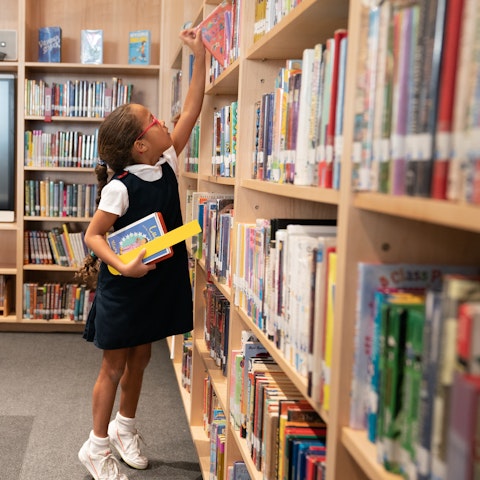
The Lower School Library is a friendly, inviting space for storytelling time, classes with librarians, and browsing for books to take home.
Explore our libraries
Arts
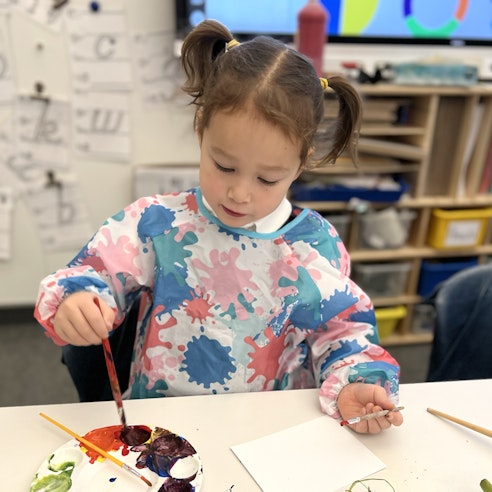
The visual and performing arts play an integral role in the curriculum and life of Brearley students.
DanceDramaMusicVisual Arts
Afterschool Activities
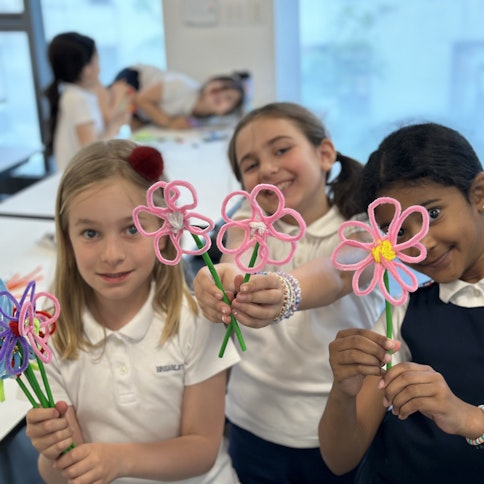
Beaver Den is the after-school program for Lower School students, Classes K-IV.
Read more about Beaver Den
Service Learning
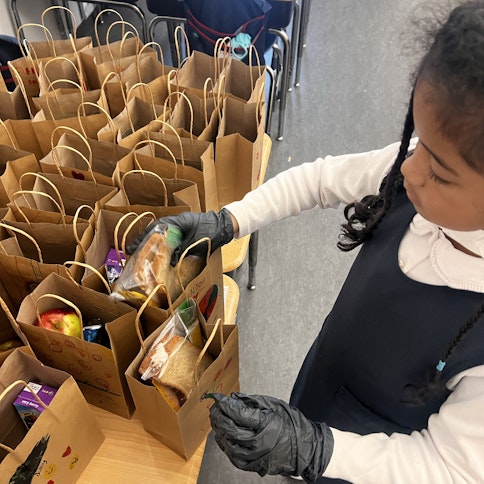
Service begins in the Lower School, with a sequence of projects and trips intended to develop a sense of agency and responsibility to society in our students.
See how we serve